Welcome to EFM's May Newsletter!
Read, Count, Play – Every Child, Every Day!
It is essential that every caregiver in the world reads books and does math with their young children!
EFM believes in every child’s mathematical right to equity, opportunity, and personal fulfillment.
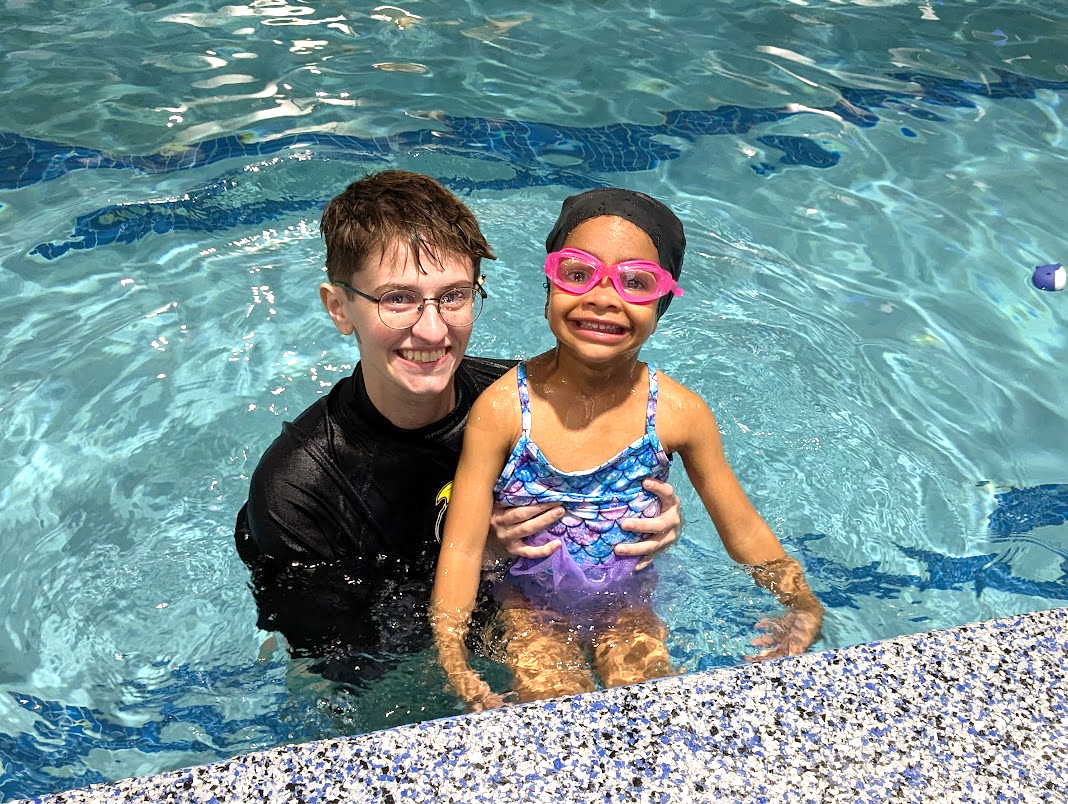
My 4-Year-Old Retires from Swim Lessons
A couple of months ago, my 4-year-old daughter wrapped up her time in swim lessons.
We had taken both of our girls to Little Fins Swim School every week for the past four years so they could become water-safe. It was one of those bittersweet endings—we were ready for that space back in our schedule, but we were also sad to say goodbye to the instructors that had really become a part of the rhythm of our lives!
We put our girls in swim lessons as toddlers because we know that becoming water-safe means developing a set of protective skills that will serve them their whole lives.
We didn’t enroll them to raise Olympic swimmers.
We enrolled them to:
-
Prevent panic
-
Help them build confidence
-
To make sure the water felt manageable instead of overwhelming
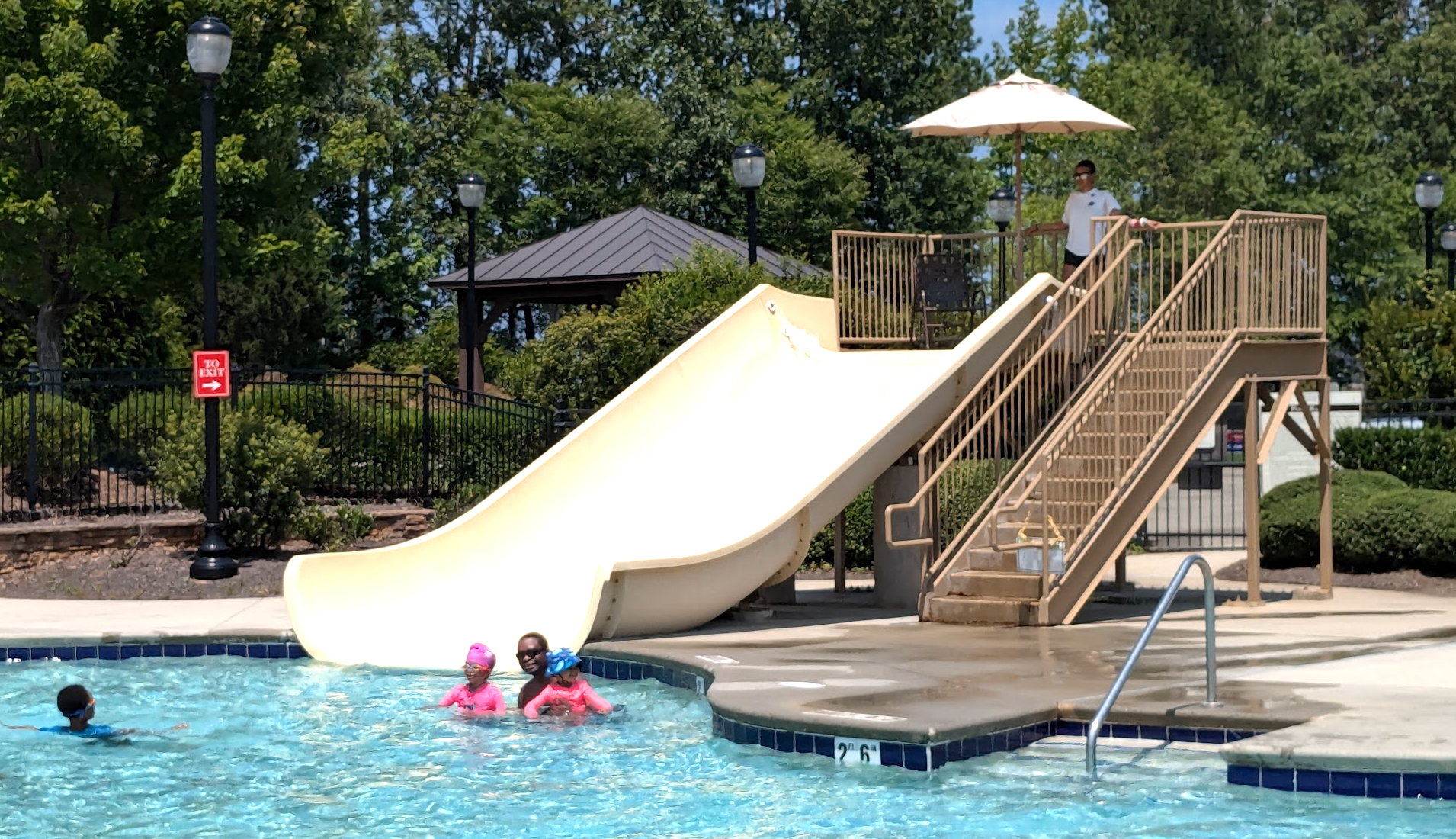
And maybe most importantly, we wanted to set them up to be able to experience joy and have fun in situations involving water! When we visit grandparents in the summer, we can spend all day feeling confident they know how to safely enjoy the amazing water slide at their pool:
During all those weeks that I sat there watching their lessons, I thought a lot about the strong parallel to my focus on early math skills.
Investing in Early Math: Protection Through Play
Research shows that children’s understanding of numbers when they begin kindergarten is one of the strongest predictors of later academic success. But before the pressure creeps in, let’s be clear: these skills don’t develop through worksheets or drills. They develop when families talk and play together—noticing patterns, counting while eating and reading, and playing games. The protective skills can build naturally through everyday moments.
And when they do, here’s what happens. Children who enter kindergarten with strong early math skills are statistically more likely to:
-
Have stronger math achievement years later
-
Be stronger readers
-
Achieve greater overall academic success
-
Graduate at higher rates and earn more as adults
Surprised?
Early math doesn’t just predict later math (although it does).
It predicts broader academic and life outcomes.
Just like swim lessons don’t guarantee competitive swimming — but they create safety and confidence in water — early numeracy skills equip our children with confidence and flexibility as they enter school.
Developing early math with your child doesn’t require anything fancy—just noticing the math moments already happening in your family’s day and playing together. If you’re looking for game ideas and activities to spark that playful exploration, EFM’s free Activities for Families offers a wealth of resources designed for exactly this: foundational math skills that families build together through joyful play.
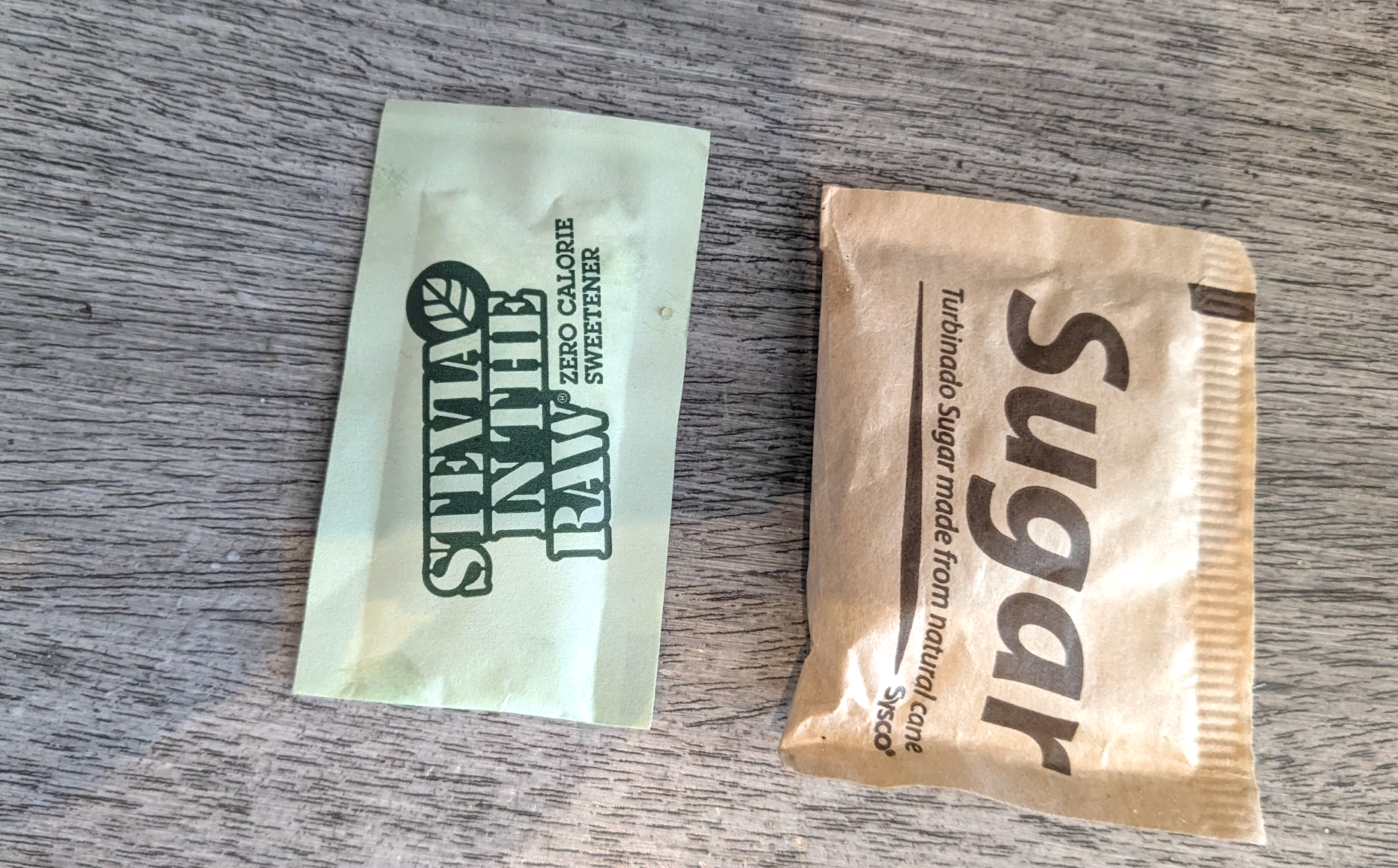
Want a place to start? Try Same and Different! We recently did this at a restaurant with the different sweetener packets on the table. This is a great simple activity from toddler age on up.
If you give this a try with another set of objects, I’d love to hear about it! Drop me a note at erin@rootsandwingsmath.com. You can also consider subscribing to either or both of my other ongoing newsletters:
-
Roots and Wings Math Educator Newsletter (geared towards K-8 teachers)
-
Roots and Wings Math Parent Newsletter (geared towards parents of preschool-age children)
Wishing you many happy math moments in the month to come,
Erin
Erin Wahler-Cleveland is the founder of Roots and Wings Math and a board member of Early Family Math.
Twitter | Facebook | Instagram
Early Family Math is a California 501(c)(3) nonprofit corporation, #87-4441486